
Key Takeaways
- Assisted living offers personalized, daily support tailored to your loved one’s mobility needs.
- Apartments and shared spaces are designed with ease of movement in mind.
- Health, wellness, and spiritual support are available right on-site.
- Social connection and a sense of purpose remain at the heart of daily life.
- Families are supported throughout the transition with open communication and attentive care.
What Assisted Living Means for Your Loved One
When a loved one’s mobility starts to change, everyday tasks can start to feel harder than they should. Getting dressed in the morning, moving around safely, or even just feeling comfortable at home can become real challenges. It’s a shift that affects the whole family, and it often raises one big question: what comes next?
The Landmark of Fridley Senior Living offers a warm, supportive environment where your loved one can get the help they need each day while still living with dignity and independence. It’s not a clinical setting. It’s a home, a community, and a place where life keeps moving forward, just with a little more support along the way.
What Assisted Living Looks Like for Seniors with Limited Mobility
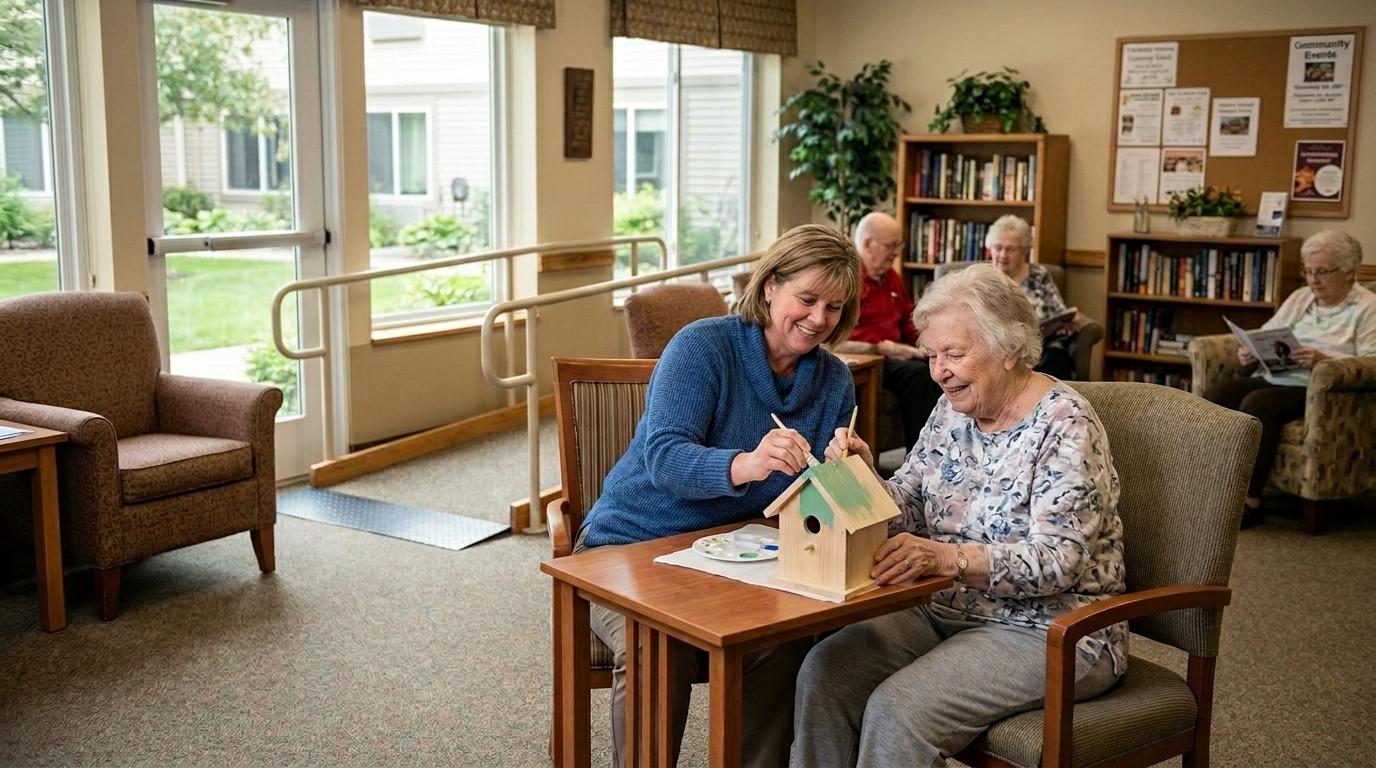
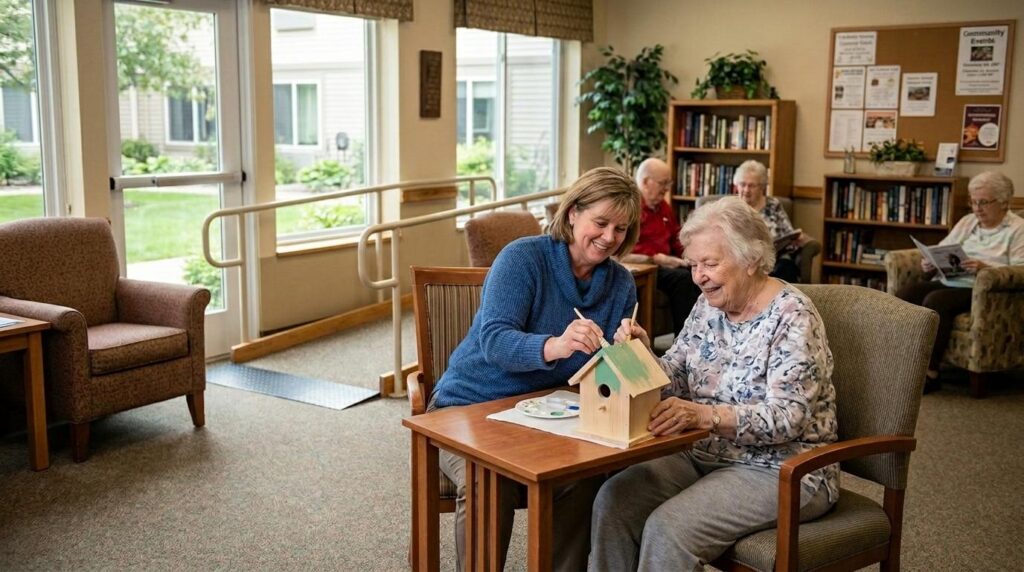
One of the first things families notice when they tour an assisted living community is how different it feels from what they expected. There are no long, sterile hallways or cold, impersonal spaces. Instead, your loved one will find apartments designed with ease of movement in mind, wide doorways, accessible layouts, and common spaces built for comfort and connection.
Daily support is shaped around each resident’s specific needs. Some people need a hand with getting ready in the morning. Others need more frequent check-ins throughout the day. Either way, the care is there when it’s needed and steps back when it’s not. That balance makes a real difference for your loved one’s sense of comfort and belonging.
Types of Support Your Loved One Can Receive
Personal Care and Daily Help
For a loved one with limited mobility, the basics of daily life can sometimes feel like the biggest hurdles. Bathing, dressing, and moving safely from one space to another are all areas where assisted living staff can step in with steady, respectful support. It’s help that feels natural, not intrusive. Learning more about activities of daily living can help families better understand what kinds of support to look for.
Each resident receives a personalized care plan that reflects who they are and what they need. That plan can change over time as needs shift, so your loved one is always receiving the right level of support, not too much and not too little. You can explore what assisted living includes to get a clearer picture of everything that comes with that care.
Health and Wellness Programs
Your loved one’s health doesn’t have to mean constant trips to outside appointments. Through Lifespark COMPLETE, health coordination and even in-home primary care can come directly to the community. That means fewer stressful outings and more time spent enjoying daily life.
Emotional and spiritual well-being are also part of the picture. Chaplains are available for one-on-one visits, spiritual groups, and care that honors each person’s beliefs and values. It’s a whole-person approach that goes beyond the physical.
How Social Life and Activities Fit Into the Routine
Limited mobility doesn’t have to mean a limited life. Assisted living communities offer a full calendar of programs and events designed to keep residents engaged, active, and connected. Whether your loved one enjoys quiet gatherings or lively group activities, there’s something on the upcoming community event calendar for them.
The friendships that form in these communities are real and meaningful. Shared meals, group activities, and everyday conversations in common spaces all create natural opportunities to connect with others. Staying socially connected has a genuine impact on health and happiness, and for many residents, that sense of belonging becomes one of the most valued parts of their day.
Purpose matters at every age. When your loved one has things to look forward to, people who know their name, and a community that welcomes them, something shifts. Life feels fuller, and that energy shows up in their health and happiness too.
What Families Can Expect During the Transition
A Gradual, Supported Move
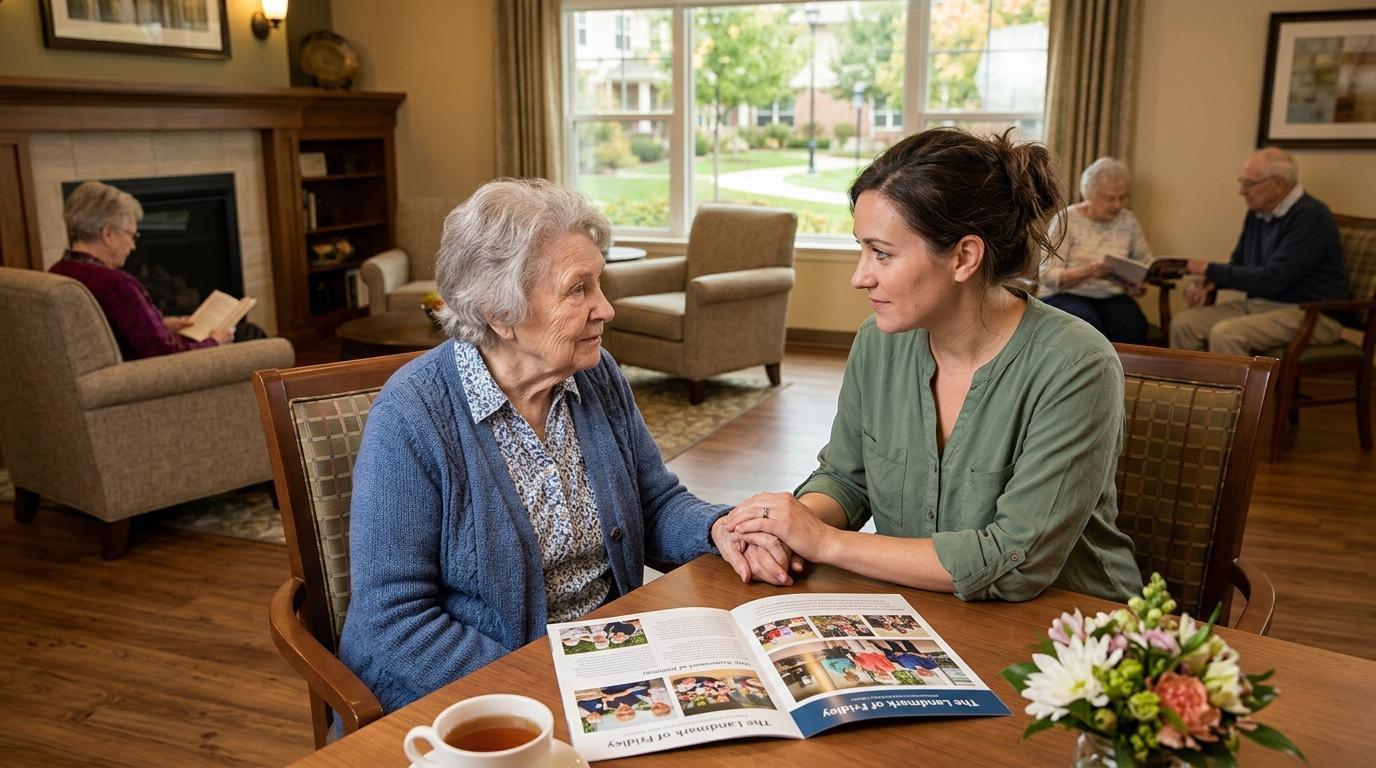
Transitions take time, and no one should have to navigate them alone. Staff work closely with families from day one, offering guidance, answering questions, and staying in close contact throughout the adjustment period. Your loved one isn’t just moving into a new space. They’re being welcomed into a community. Reading through tips for helping your loved one transition can make the early steps feel much more manageable.
Open communication between staff and family helps smooth out the early weeks. When everyone is on the same page, the whole experience feels less like an upheaval and more like a new beginning.
Peace of Mind for Caregivers
Knowing your loved one is in caring, attentive hands makes an enormous difference. Families stay informed and involved every step of the way, with regular updates and an open door for questions or concerns. You don’t have to step away. You just get to show up differently, as a family member rather than a full-time caregiver. The signs of caregiver burnout are worth recognizing early, and having the right support in place can help prevent reaching that point.
Next Steps for Families Considering Senior Living
If you’re thinking about senior living for a loved one with limited mobility, the most helpful thing you can do is see it for yourself. A tour of The Landmark of Fridley Senior Living can answer a lot of questions and ease a lot of worries just by walking through the door.
Ask about the personalized care options available, and connect with the senior living team to talk through what your loved one’s day-to-day life could look like. The right support is out there, and finding it can be the start of something really good for your whole family.